Should I Teach My Child Cursive – How to Find the Best Cursive Curriculum
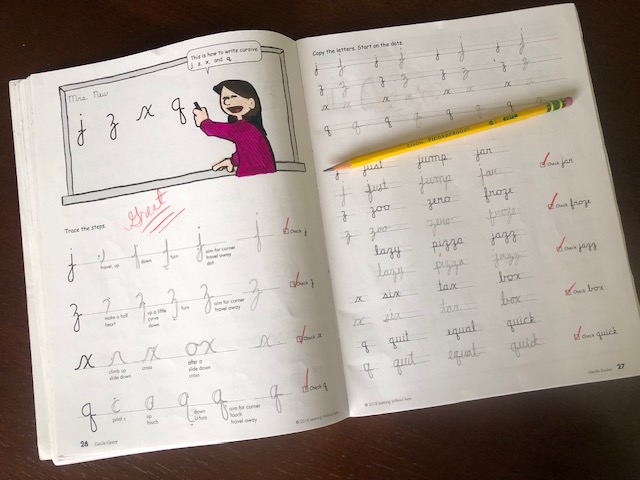
Teaching your child cursive may not be on the top of your priority list when it comes to putting together your homeschool schedule. It’s kind of fallen by the wayside in a lot of schools too, along with some other “lost arts”.
I remember learning to write in cursive and feeling so grown up and proud haha! It felt so pretty and the looping of the letters really made my stationery & pen loving heart happy!
I also recall how cursive helped me a lot when it came to writing portions of exams as I got older – since it’s a faster way to write than print.
The idea of teaching handwriting starting at a very young age is definitely a necessity, but adding in cursive as your child shows interest or is in about 2nd-3rd grade is a really good idea for a number of reasons.
I taught my kids cursive and they still like to practice their penmanship even at older kid ages. It’s a point of pride I feel and one skill that should be mastered.
Read on to see why teaching cursive should be something you consider adding into your homeschool days!
Why Should I Teach My Child Cursive?
Fine motor skill
A huge reason cursive is so important to learn is the strengthening of those all-important fine motor skills.
The smallest muscles in your fingers and hands are engaged when forming cursive letters. These muscles are used for a multitude of other daily tasks, like tying shoelaces, grasping small objects with your fingers, snapping or buttoning clothing, to name a few.
Helping build these muscles while learning cursive lettering is a fantastic life long benefit!
Need a signature!
As techie as this world is getting (looking at you AI & self-driving vehicles ha!) we all still need to know how to sign our names, aka have a signature.
Knowing how to write in cursive, allows your child the confidence in being able to sign their name, consistently every time.
As your child gets older, this is so important. College paperwork, first jobs & even future jobs, everything official they will encounter later in life like medical, financial, insurance paperwork, all require a signature.
It’s simple to learn, so why would you want to just “get by” with a chicken scratched name?
Read other’s handwriting
Along with having your own signature, you need to know how to read other people’s signatures, and maybe more important, their handwriting.
Being able to read notes from a professor in college, or an employer without having to ask what was written, is again a small thing, but kind of a big deal!
If your child doesn’t learn cursive, they will be less likely to be able to decipher the loops and curves of cursive.
I am a HUGE believer in knowing all you can to help you succeed, in all areas of life. Especially when it comes to my own sweet kids. I want them to be so well prepared and confident with everything from “school” skills, to life skills, cursive included.
Historical Documents
Knowing how to read cursive is important as I mentioned above, in today’s world. Well, it’s even more so when it comes to historical documents.
Your children are not going to need to read a historical document every day, unless of course they choose a career which requires this.
BUT, knowing how to read the Declaration of Independence, the Constitution, important letters from the Civil War, all VERY significant written artifacts for the United States is really important.
I read that 80% of all US historical documents are written in cursive!
World historical documents date back much further than the US, and guess what, they’re in cursive as well.
Being literate in cursive is such a vital skill to understand both the written past and much of the present.
Faster, neater, more professional style of handwriting
Learning to write in cursive gives way to a faster way of handwriting versus print. It’s usually neater too, since the letters connect together, with less room for error than printing.
As I mentioned above, for me with written tests and exams I recognized this advantage well before I was a homeschooling parent fretting over what to teach my future kids.
Being able to legibly write quickly is so useful in life beyond school, and knowing how to write in cursive helps with that too!
Beauty in everyday life
Maybe not the MOST important answer to “should I teach my child cursive?” haha but a good one to consider.
Life is fast these days, no matter how much we homeschoolers may try to slow the clock down. It just keeps on moving, feeling faster all the time.
A lot of the small, beautiful moments in life can easily be missed when we get caught up in the “hurrying up”. Taking time to create, find and recognize these beautiful moments is really important to feeling grounded and present.
Being able to write beautifully, or at least being able to write legibly in cursive is an art, something we can create. Taking a moment to write a beautifully written note you leave for a loved one, or to write a message in a birthday card, or even to make a note on your child’s schoolwork forces you to slow down.
Slowing down and appreciating the beauty around us can help us all feel a little more connected to the present. This is a great thing to teach to our children, who are being raised in a society so different than even our generation just before them.
There is an idea about romanticizing your life and enjoying all of the beauty around you. Cursive is one small way to do just that 🙂
When to Teach Cursive
Importance of handwriting practice at a young age
As I mentioned above, teaching handwriting and encouraging your kids at an early age is a great idea. Learning to print letters and their own name in the preschool aged years is a wonderful & necessary first step.
Like every part of childhood, kids tend to show interest in even handwriting at different ages. Lean into what your child wants to learn and is ready to learn.
Progress into cursive when your child shows interest. This is typically around 7-9 years old. Again, give or take a few years depending on your child & their excitement to learn or ability to sit and practice.
Whenever they start to want to try, introduce it with one of the books I recommend below!
Older years need practice too
Once your kids have mastered or at least learned how to write comfortably in cursive, don’t stop practicing.
I still like to have my kids practice their cursive most mornings, even as they’ve gotten older. They enjoy it too, a chance to slow down and work on something creative.
Keeping any skill sharp, like a tool, is important to maintain mastery!
How to Teach Cursive
Incorporate small snippets into daily work
After the question of “Should I teach my child cursive” often comes the next question of, “how to teach my child cursive”. How is obviously with your own teachings, or a curriculum. The real question is more like HOW to add it into your already full homeschool day.
Introducing small bits of cursive work each day is the easiest, least stressful way to answer the question of how.
Morning basket/all work together
A fantastic time to work on cursive writing, whether you’re homeschooling multiple ages or not, is with your homeschool morning basket.
Adding in a few minutes of handwriting & cursive practice to your morning routine when you kids are fresh and haven’t exhausted their hands & minds with work or play is the best opportunity for success!
Make it special and fun
Having your kids help with writing tasks around the house is another way to practice their cursive.
Letting them make the grocery list, or write the dinner menu for the week on the family whiteboard or even label things you need to label haha, anything you “need” help with will be fun for them.
Making learning fun and your kids feel special is just the best!
Best Cursive Curriculum
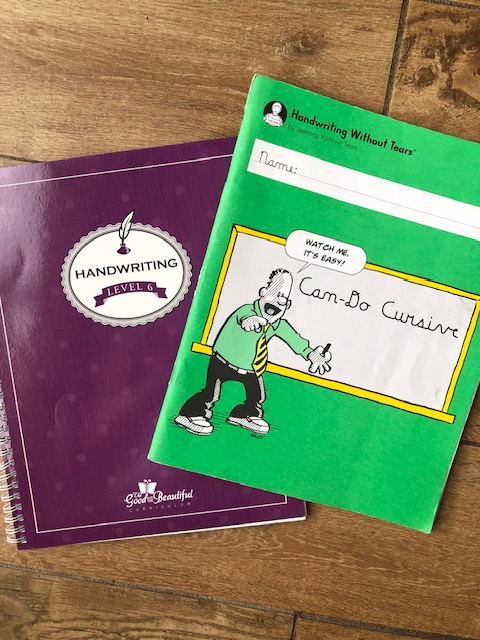
Read below how I found the best cursive curriculum to add to your homeschool for both younger and older kids!
Handwriting Without Tears – Instructional handwriting through 4th
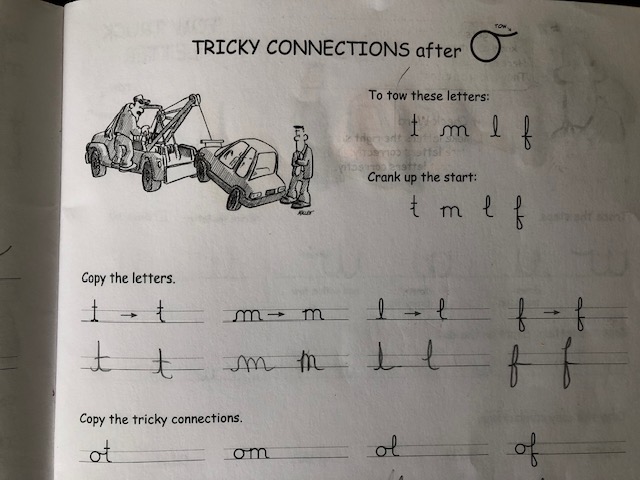
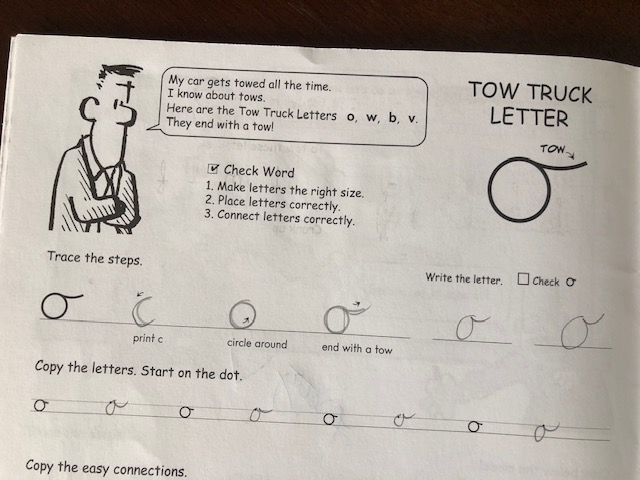
My favorite, favorite, favorite and a Cathy Duffy top recommendation for handwriting & cursive, is the Handwriting Without Tears curriculum.
The books are geared towards pre-k through 4th grade, with the 3rd, being the introduction to cursive. There is also an additional cursive book for use as extra practice for older children.
There is a wonderful flow from book to book. Mastery is key, however the practice is never dull or repetitive, keeping your child interested & setting your child up for success.
The books are all laid out in a simple, easy to follow approach. The teaching methods of Handwriting Without Tears differ slightly from other handwriting and cursive curriculum.
One of the main differences is that with the introduction to letters in the pre-k and kindergarten books. Students are taught the uppercase letters before the lowercase letters. Also, letters are taught by similarity in pencil movement & strokes and not in alphabetical order.
As for the cursive books, there is no slant taught for any of the cursive letters. This is different from other cursive teachings, but it’s so much easier for children to get used to when practicing.
The curriculum as a whole is just so wonderfully thought out and approachable for even the youngest learners. Pair that with the budget friendly cost for each workbook and you can see why this is my (and many others’!) top curriculum pick for teaching handwriting and cursive.
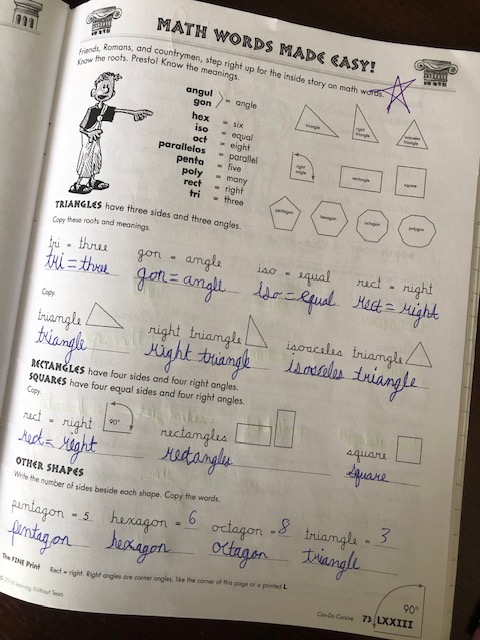
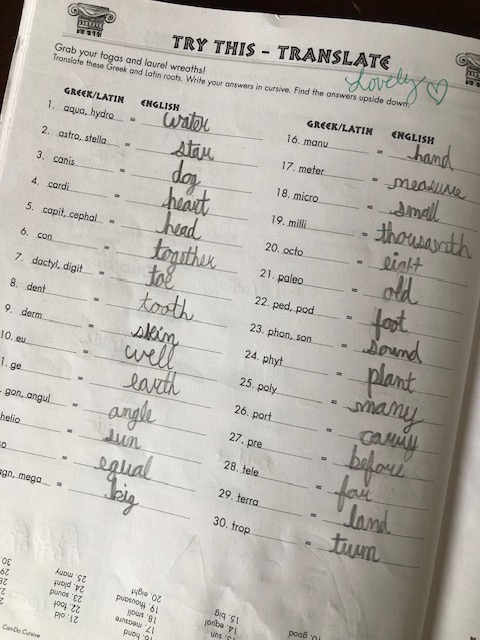
Handwriting Without Tears Cursive Workbooks:
Cursive Handwriting –beginning/instructional cursive workbook
Cursive Success – the next workbook for more practice after instruction, helps build cursive fluency
Can Do Cursive – the perfect book for 5th grade and beyond, for more practice and mastery
The Good and The Beautiful – extra practice for older children
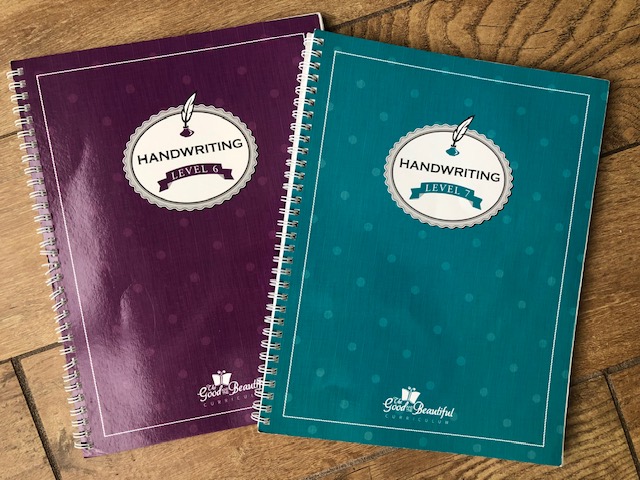
As I said before, my kids really loved learning cursive. So much so that when they finished with the Handwriting Without Tears cursive books, they wanted more! They wanted to keep practicing each morning.
I searched & asked around and kept hearing about The Good and The Beautiful handwriting books. We have used some of their curriculum before, mainly science, and liked them so I decided to give cursive a try too.
I ordered the Level 6 Cursive book to start and eventually the Level 7 Cursive too. My kids really enjoyed the extra practice, and I liked the extra little tidbits they are learning along the way.
There is plenty of practice in many varied ways. State and world capitals, animals’ names and information on them, and US history information like presidents are just a few of the topics they write about.
The Good and the Beautiful handwriting books are also filled with small drawings to replicate and beautiful quotes to copy. There are some bible quotes, which is worth noting if you are looking for a secular only cursive curriculum.
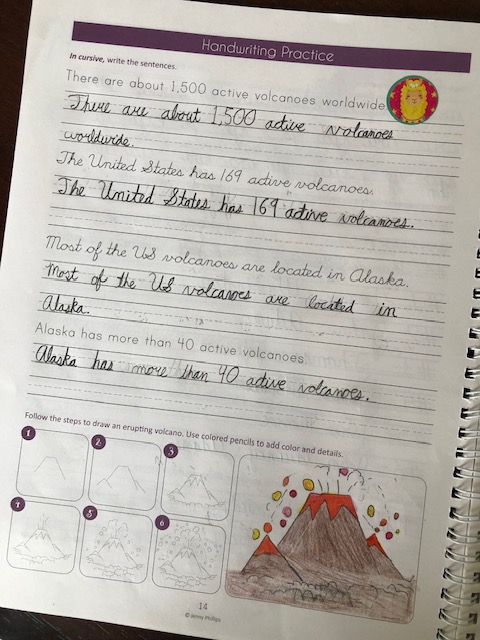
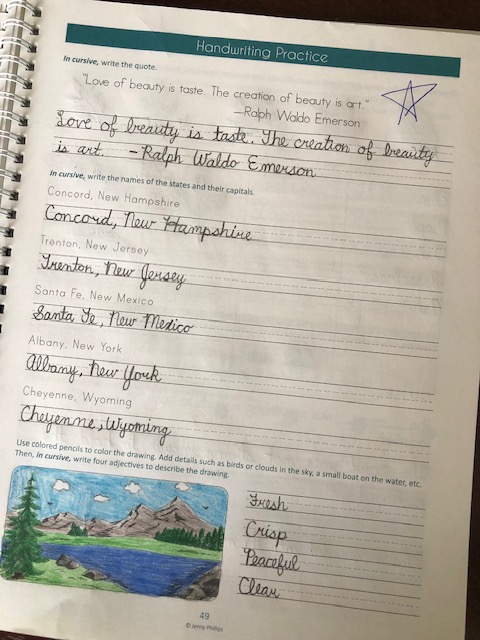
I can’t give feedback on the actual learning of cursive, or the earlier books from The Good and The Beautiful, as we are all in on Handwriting Without Tears for the early years. I do definitely recommend the two cursive books from The Good and The Beautiful as extra practice after cursive mastery.
How to encourage cursive handwriting practice
There are so many ways to encourage your kids to practice their cursive in “real life”. I mentioned grocery lists and birthday cards above, but here are some more great ideas for getting in more cursive practice:
Read Aloud time – If you’ve been here on my blog long enough, you know I am a big fan of reading aloud to my kids! This is also a great time to tie in a little extra cursive practice.
Retelling through writing the highlights of what you read, or their favorite part of your read aloud is great for comprehension as well as cursive practice.
Not a big fan of reading aloud, or your voice just needs a break haha? Audiobooks provide the same base for this extra practice.
Copywork – Another fantastic opportunity to practice those beautiful cursive skills. If you teach with copywork, it is what it sounds like – copying a passage of whatever topic for comprehension. Ask that your kids do their copywork in cursive!
Reports or unit studies – Handwritten book reports and any written information to go along with a unit study is another great time to emphasize the importance of neat handwriting. Cursive practice once again!
Letters to penpals or family & friends – Writing letters, on actual paper, and sending in the actual mail, is another lost art if you ask me!
I’ve encouraged my kids to write to friends and cousins out of state over the years and it became such a fun thing for them. When they first started out, I heard from back some of their friends’ parents too that they loved the idea of their kids writing letters.
AND, kids love getting mail. Actually, who doesn’t love some happy mail?!
There are some penpal programs out there as well, that match kids with kids in other countries. I haven’t done this or known anyone personally who has, but may be something to look into as well.
One more idea – have your child write to their favorite author!
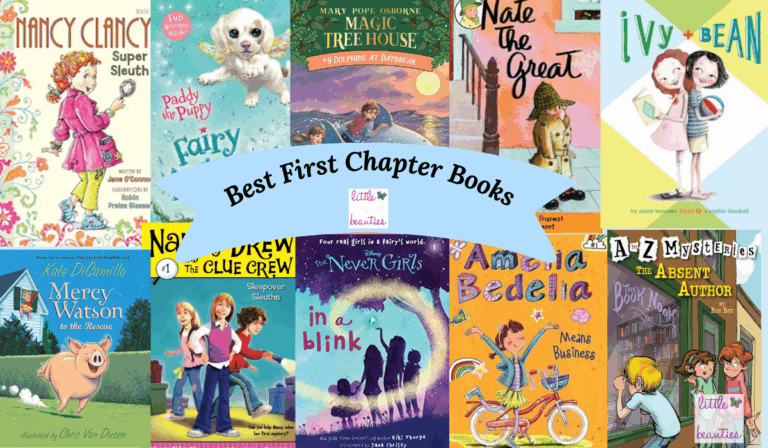
My oldest daughter LOVED the Ivy & Bean books so, so much. When she finished all the available books she was really missing them.
She sent the author, Annie Barrows, a letter asking if she was going to write more in the series. Written in cursive!
Well, Ms. Barrows actually replied and noted how beautiful my daughter’s cursive was and mentioned she never learned how to properly make a cursive “z” and that she was so impressed with the letter. The smile on my daughter’s face was priceless!! She still has the letter 🙂
Sooo….Should I Teach My Child Cursive?? YES!!
There are so many benefits to learning how to write, and read, in cursive. I hope this was a helpful post and inspires you to teach your child the art of cursive!